Starts with a shot of bee stepped on after drinking nectar from a flower. In contrast, Vijay and his life have been mocked as a worthless poet, trampled on by those who do not value art. Like Kafka, Vijay is a poet whose work is not valued while he is alive. Ridiculed for being useless, his work is thrown into the dustbin by the publishing houses, or sold off as scrap by his family.
Gulabo, a sex prostitute who has been shunned by society, entices Vijay into her apartment. Characters are shown through a shadow of bars. Glancing eye contacts, a slow smile, and phoney expressions. She is irritated that Vijay has come to her not as a client, but for his writings, which she found as garbage.
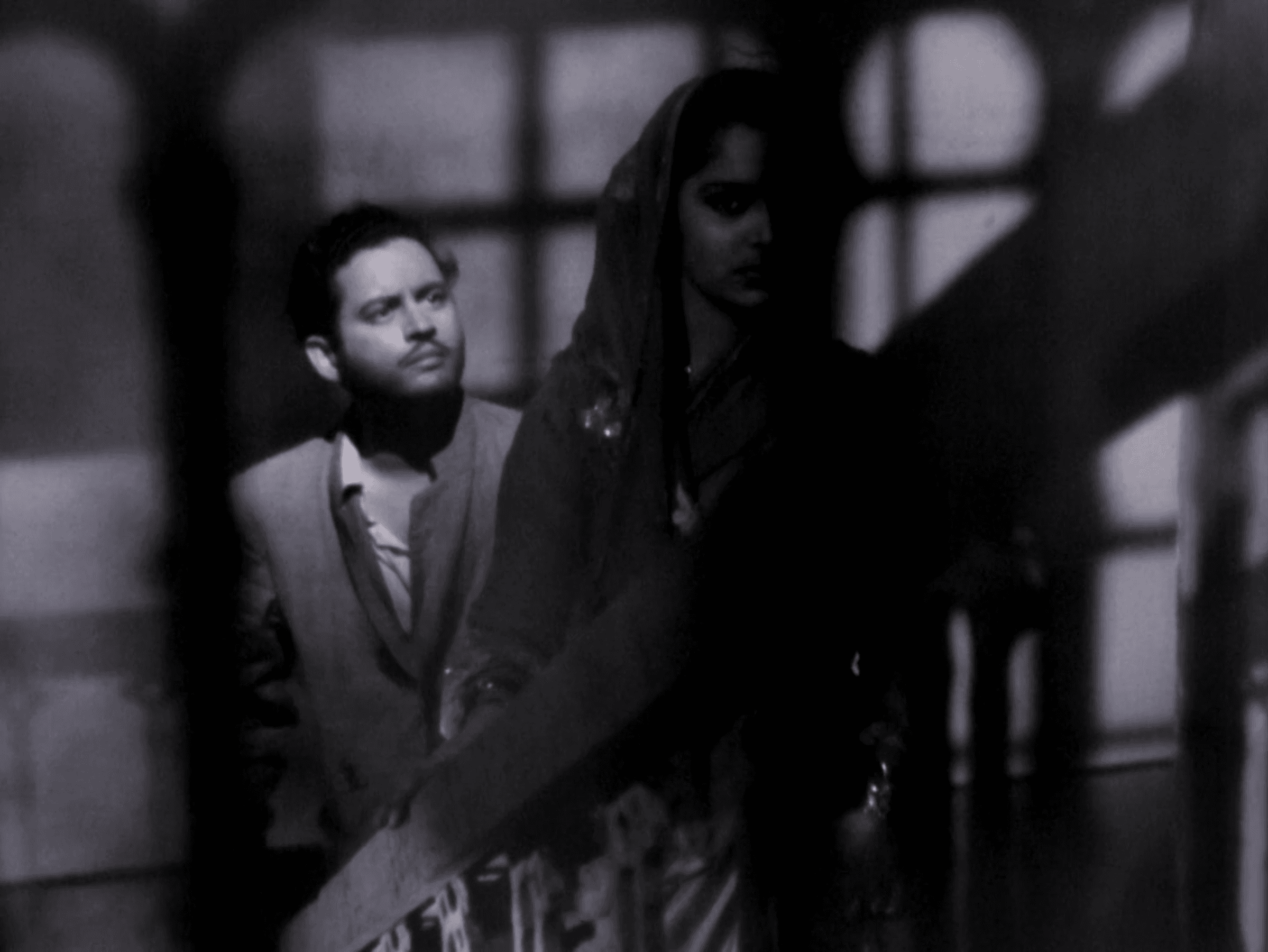
Inside a lift, a reflective mirror shot of Meena and Vijay is shown, remembering the beautiful past they once had, ripped apart by Meena's materialistic demands and failure of Vijay's success. Whatever chance they once had, torn apart forever.
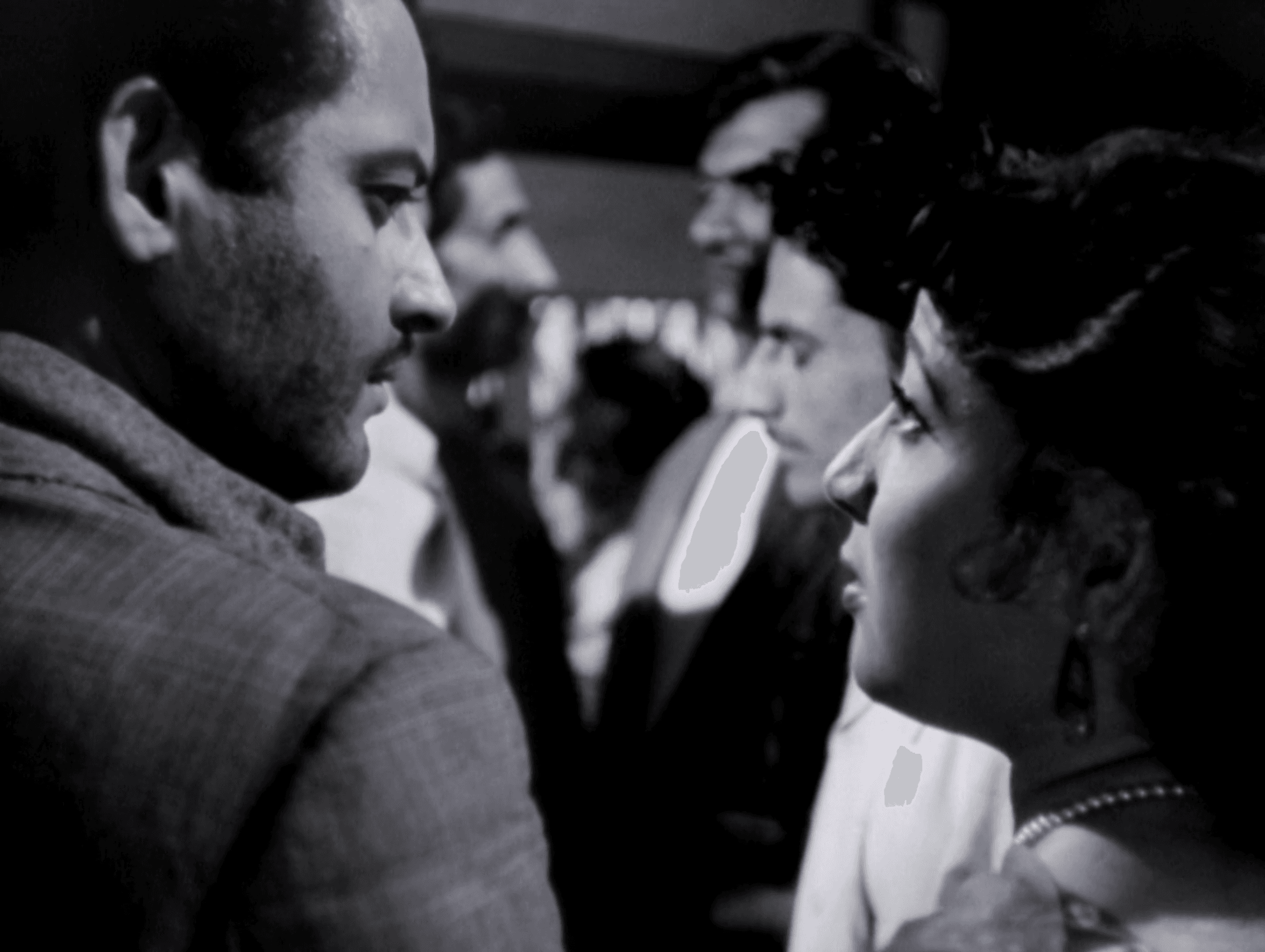
Ghosh (Meena's Husband) is introduced in a stunning shot where he is seen gazing at Meena and wondering if Meena and Vijay are related.
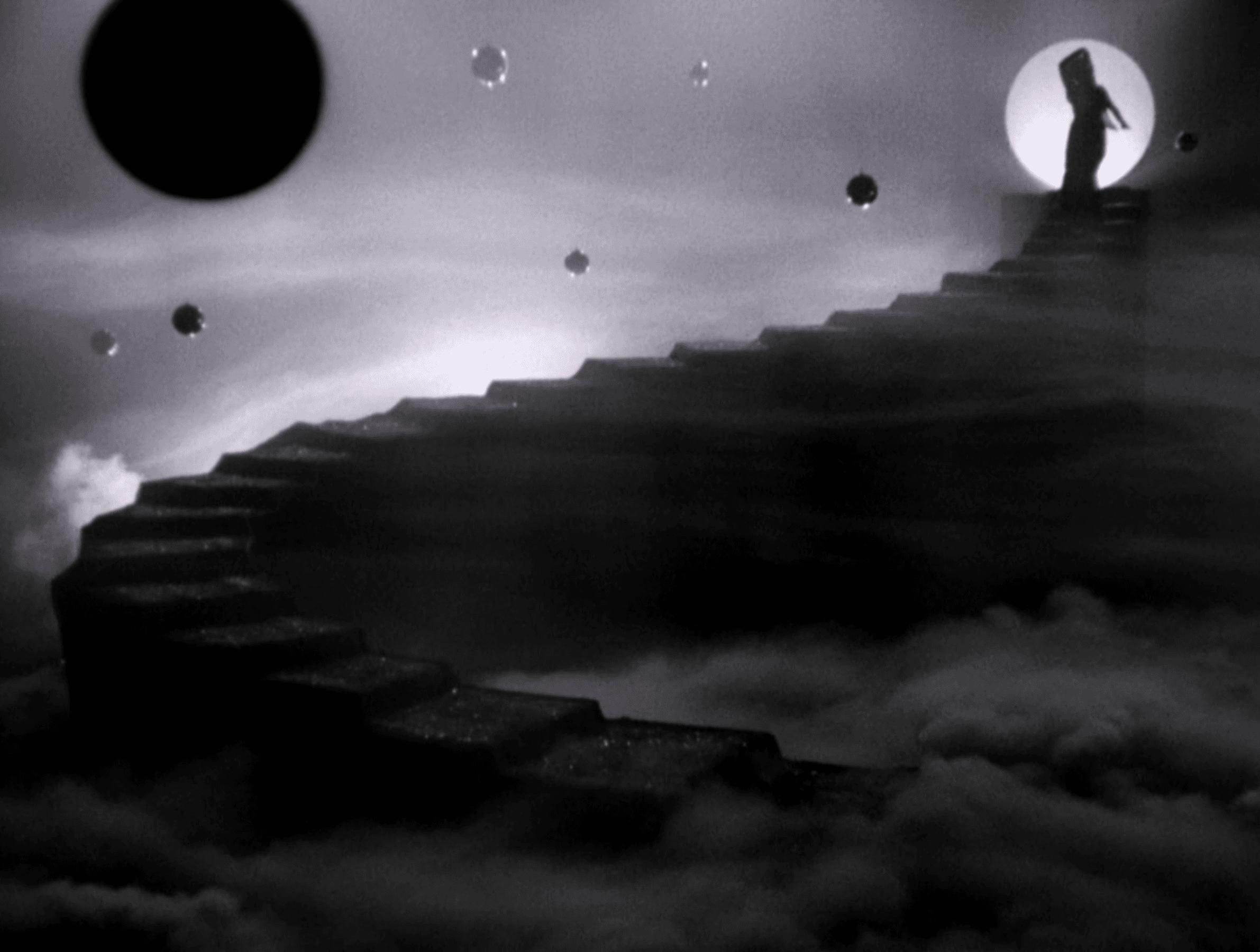
Another striking scene shows Meena and Vijay dancing in a magical set with clouds and draperies depicting uncertainty and loss. Meena climbs back up the stairs she came down with.
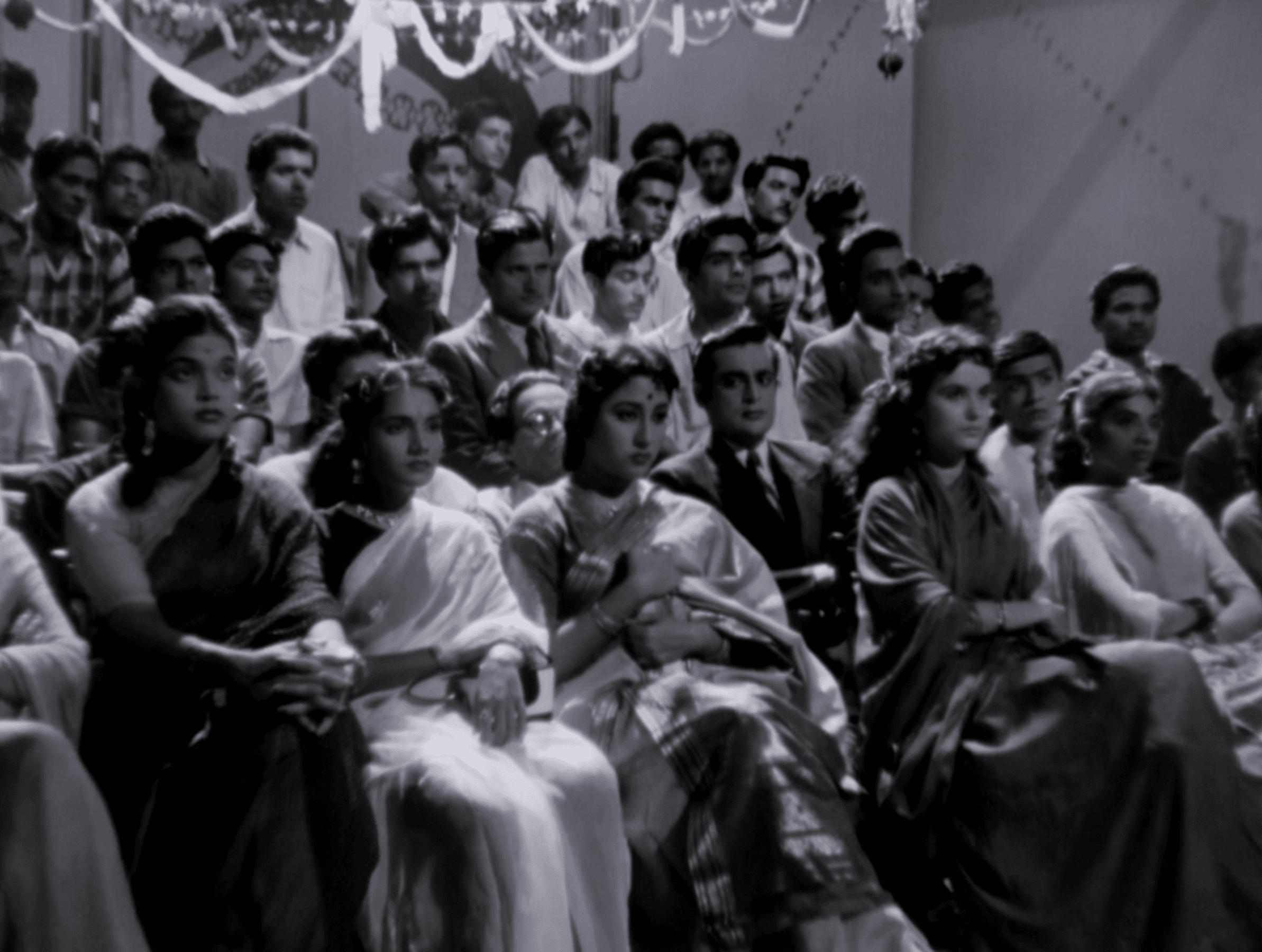
In contrast to the poetry about life and pain that Vijay typically writes, he recites a poem about love which the masses usually find appealing. Everyone in the crowd fails to appreciate Vijay and rejects him as a no-name when compared to only moments before, the same crowd was applauding a poet who belonged from a higher income class. Does art get famous because of the artist or because of its inherent nature, and how does class influence art? Exchange of glances between a miserable lover, a hopeless romantic, and an insecure spouse conveys the entire scene.
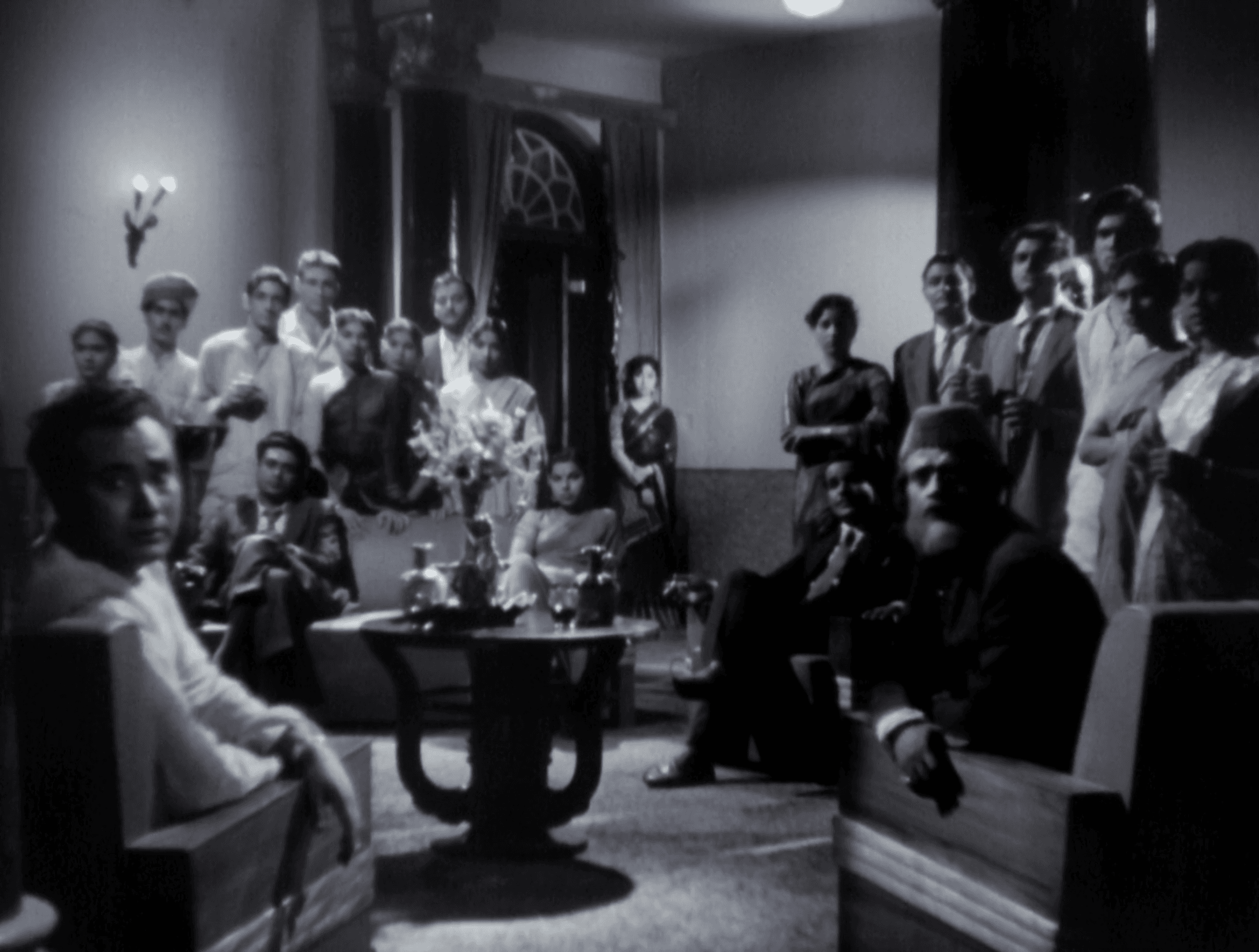
Gulabo, who is never presented in a lustful manner, is taken aback by Vijay's respect after he saves Gulabo from a police chase and calls her his wife. The scene is cut to a theatrical representation of Radha-Krishna, implying that Vijay is Krishna, a kind soul that saves Gulabo (Radha), and how Radha is all over Vijay.
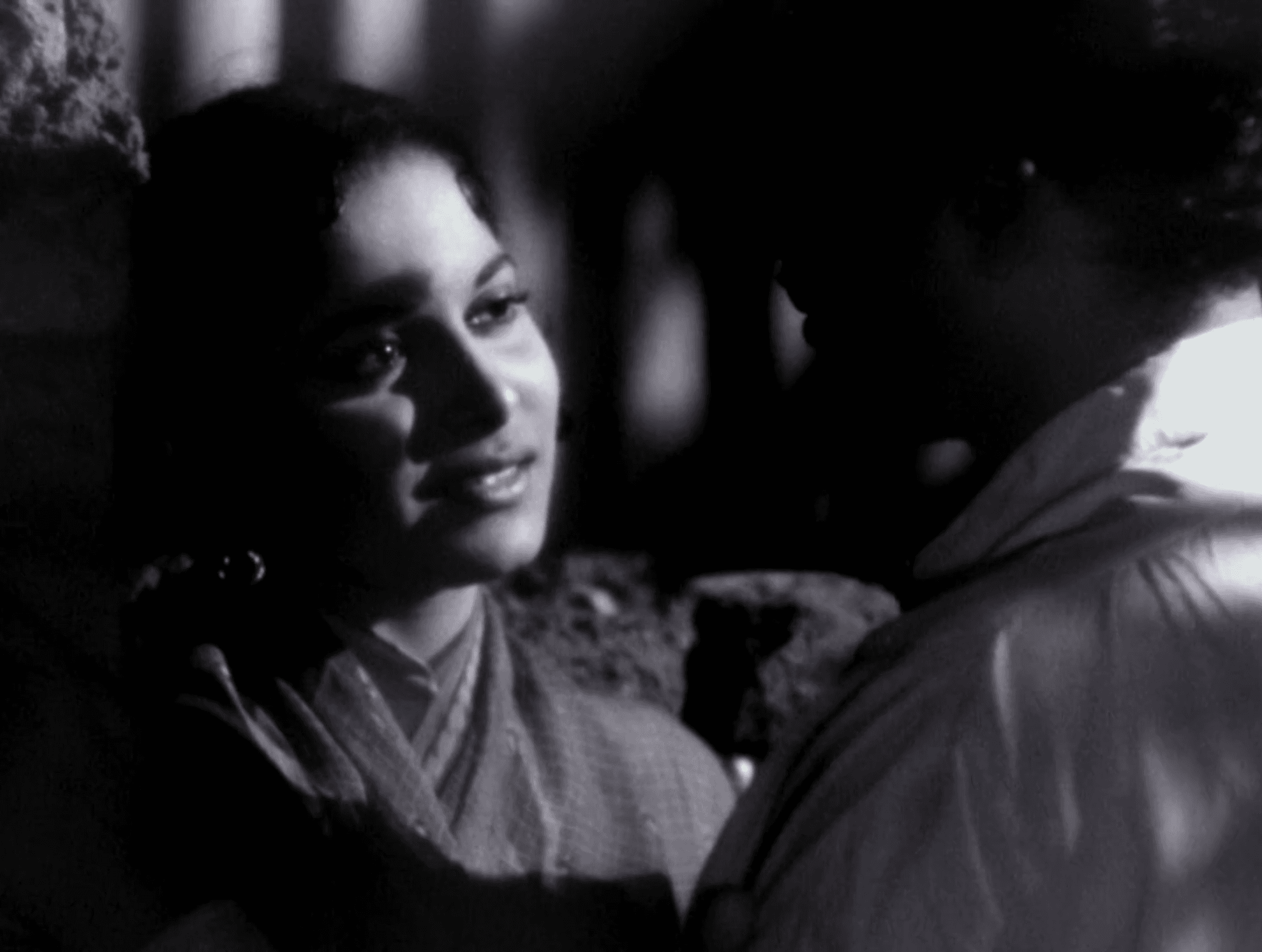
Guru Dutt used shadows several times throughout the film to enhance the visuals and convey the message extensively. This is beautifully done in the scene where Vijay discovers that his mother has died and that all he has to brag about in life are his fruitless poems.
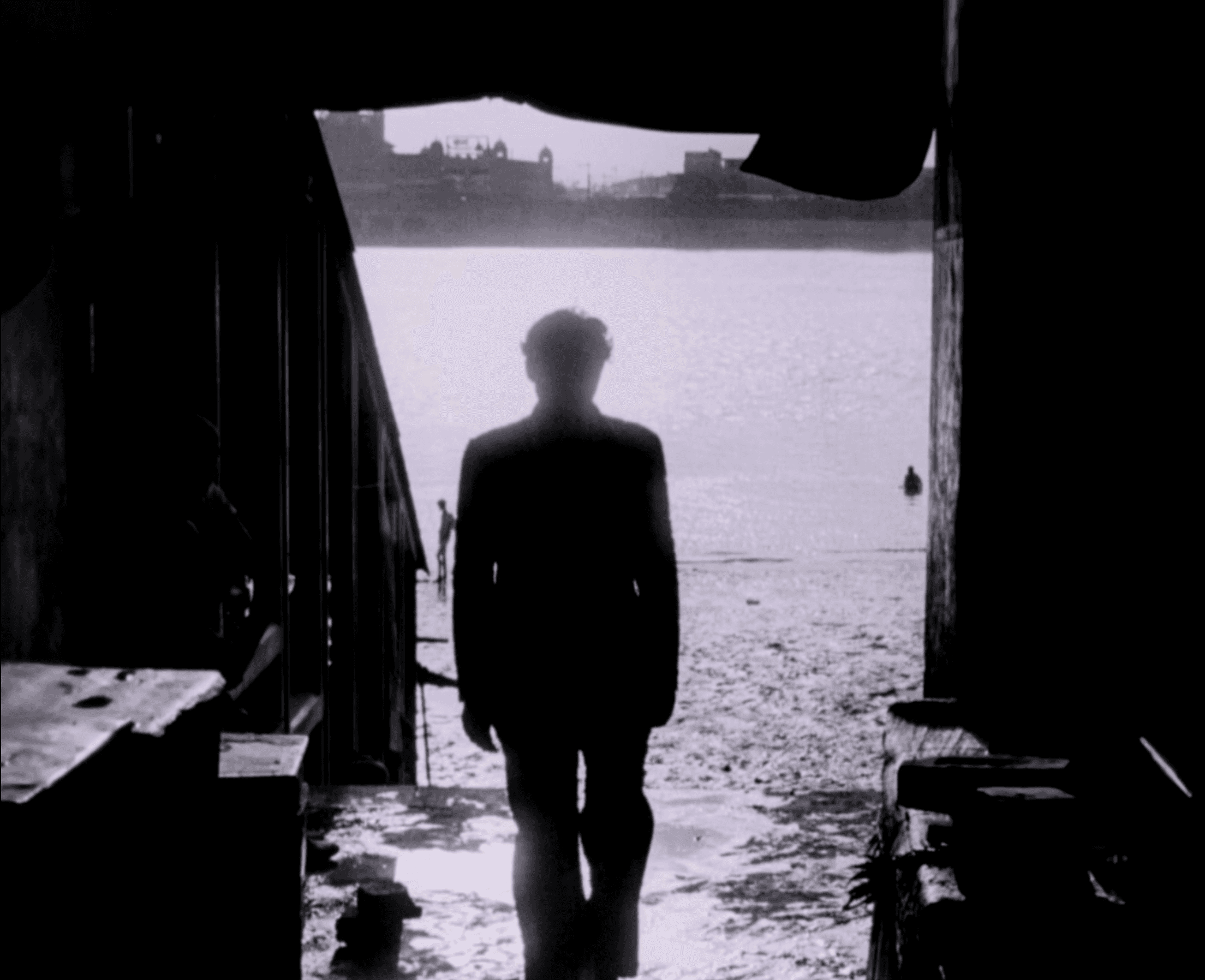
Also noted for his close-up shots, Guru Dutt does an excellent job showing the emotions of Vijay when he cries, conveying his outrage at the state of the world, his friends and family, and the anguish a prostitute must endure. Jinhen Naaz Hai Hind Par by Mohammad Rafi plays in the background which shames the nation for what it has become, a song that may enrage many nationalists in today's India.
यहाँ पीर भी आ चुके हैं, जवान भी
तनोमंद बेटे भी, अब्बा, मियाँ भी
मदद चाहती है ये हवा की बेटी
यशोदा की हमजीन सी, राधा की बेटी
Sufis have also come here, the young too
Lustful sons too, father too, husband too
Daughter of Eve wants help
Yashoda congener and Daughter of Radha too
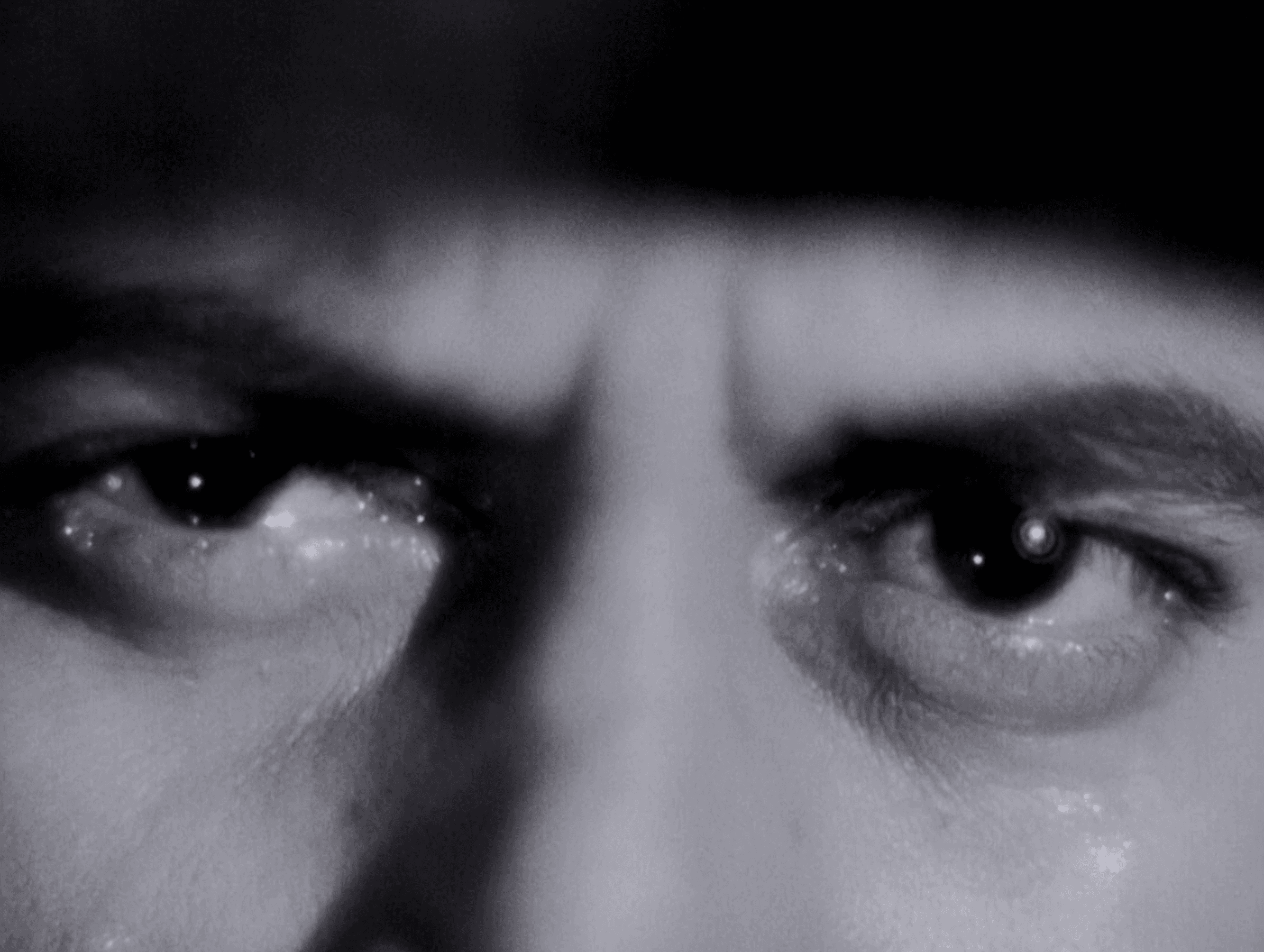
Gulabo and Vijay climb the stairs again, this time Gulabo requesting Vijay to change his views about his despicable life rather than the other way around.
While assisting a man caught on the railway track, Vijay accidently drops a page of his poetry, and he finds up unconscious in the mental hospital. Death of the unidentified man is now mistakenly attributed to Vijay. Ghosh profits off the death of Vijay as Gulabo offers to publish Vijay's poems for free to Ghosh. Everyone now wants to read his poems. Friends and family also share the profits by rejecting Vijay's identity even after seeing him alive in the hospital. People gossip about Vijay, making up stories about how gifted he was. When it is certain that an artist will never make new art again, their work becomes much more valuable.
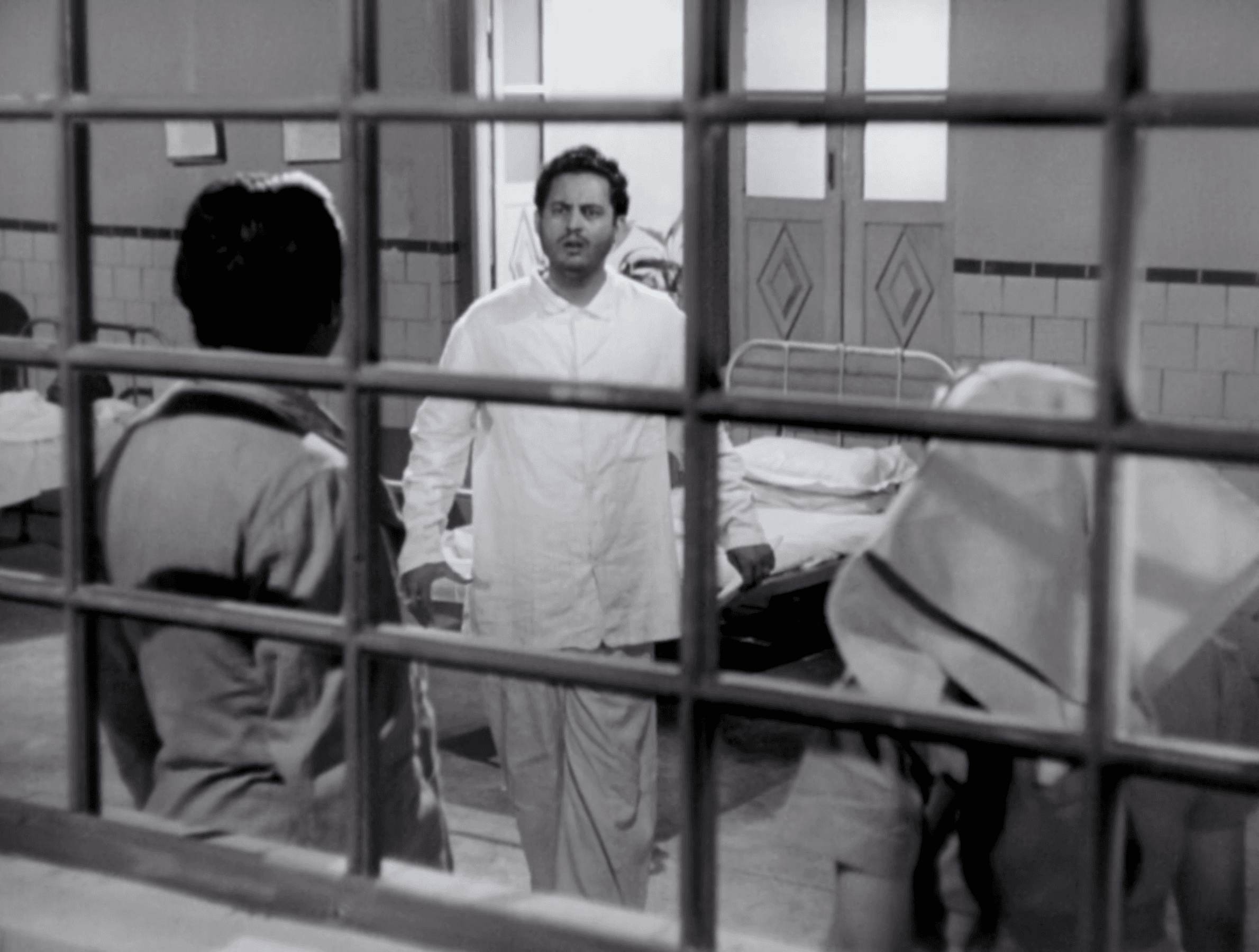
After a year, Abdul (Vijay's friend) discovers Vijay in a hospital and is shocked to see him. As he assists him in escaping, Vijay joins his death-anniversary celebration with a resemblance of Jesus crucified, which is also featured in the film at one point as Life in a magazine. Vijay's disciples are split on whether or not to embrace him. Given that the world does not value art or the artist, he refuses to believe that he is, in fact, Vijay. 'Duniya Agr Mil Bhi Jaye' by Mohammad Rafi plays depicting the nihilistic mindset of Vijay.
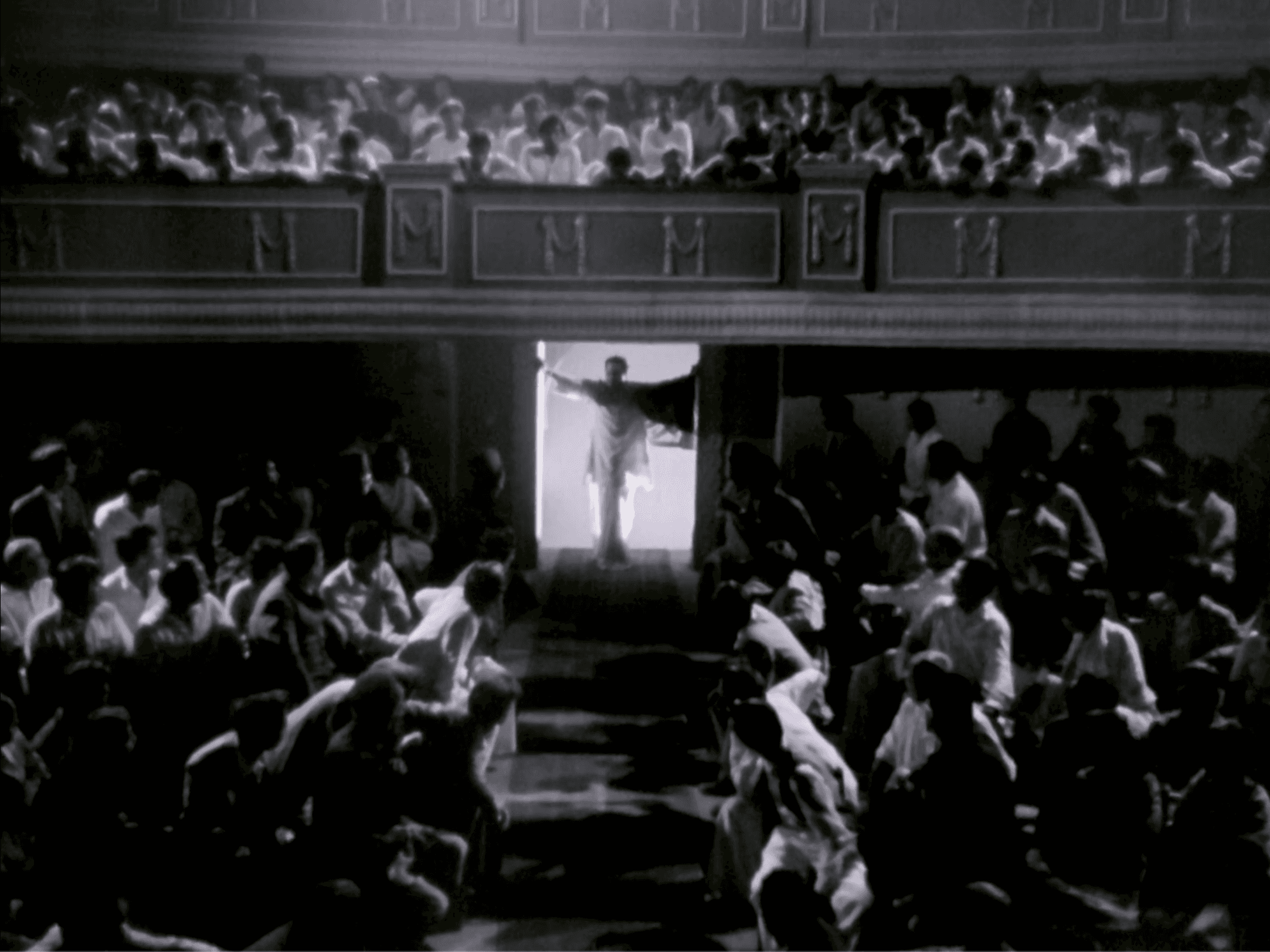
ये महलों, ये तख्तों, ये ताजों की दुनिया
ये इंसान के दुश्मन समाजों की दुनिया
ये दौलत के भूखे रवाजों की दुनिया
ये दुनिया अगर मिल भी जाए तो क्या है
जला दो इसे फूँक डालो ये दुनिया
मेरे सामने से हटा लो ये दुनिया
तुम्हारी है तुम ही संभालो ये दुनिया
ये दुनिया अगर मिल भी जाये तो क्या है
World of palaces, thrones and crowns
World of societies that hates humans
World of those hungry for wealth
What is the world even if I get It
Burn this world
Remove this world from my sight
You take care of this world
What is the world even if I get It
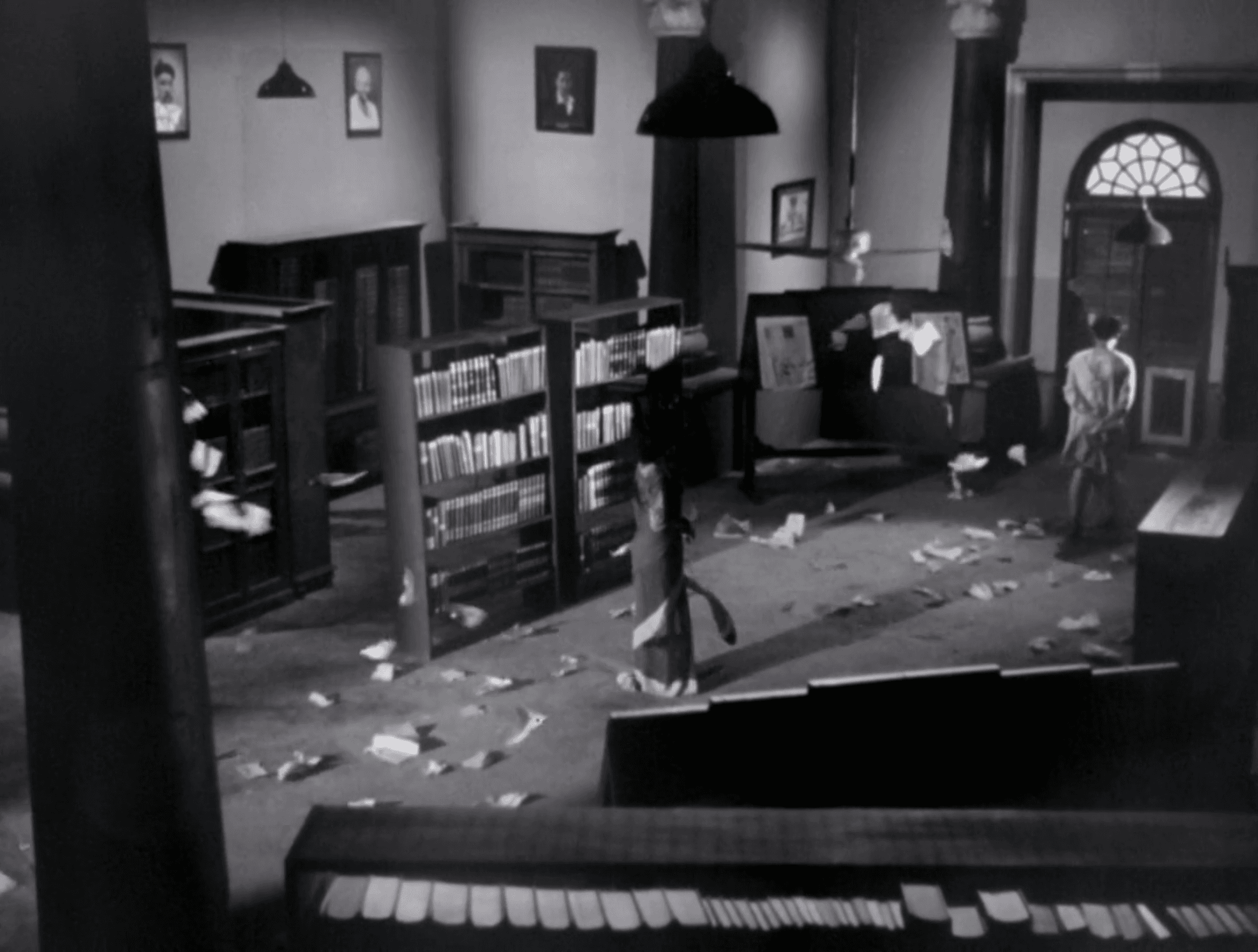
It's ironic that, like Vijay's poems, Pyaasa became a cult classic and attained international critical success after Guru Dutt's death.